





CURSOS DE INMERSIÓN
El desarrollo del conocimiento y aprendizaje en el plano internacional para entender el futuro de una manera global y sin fronteras.
VISITA EL CENTRO
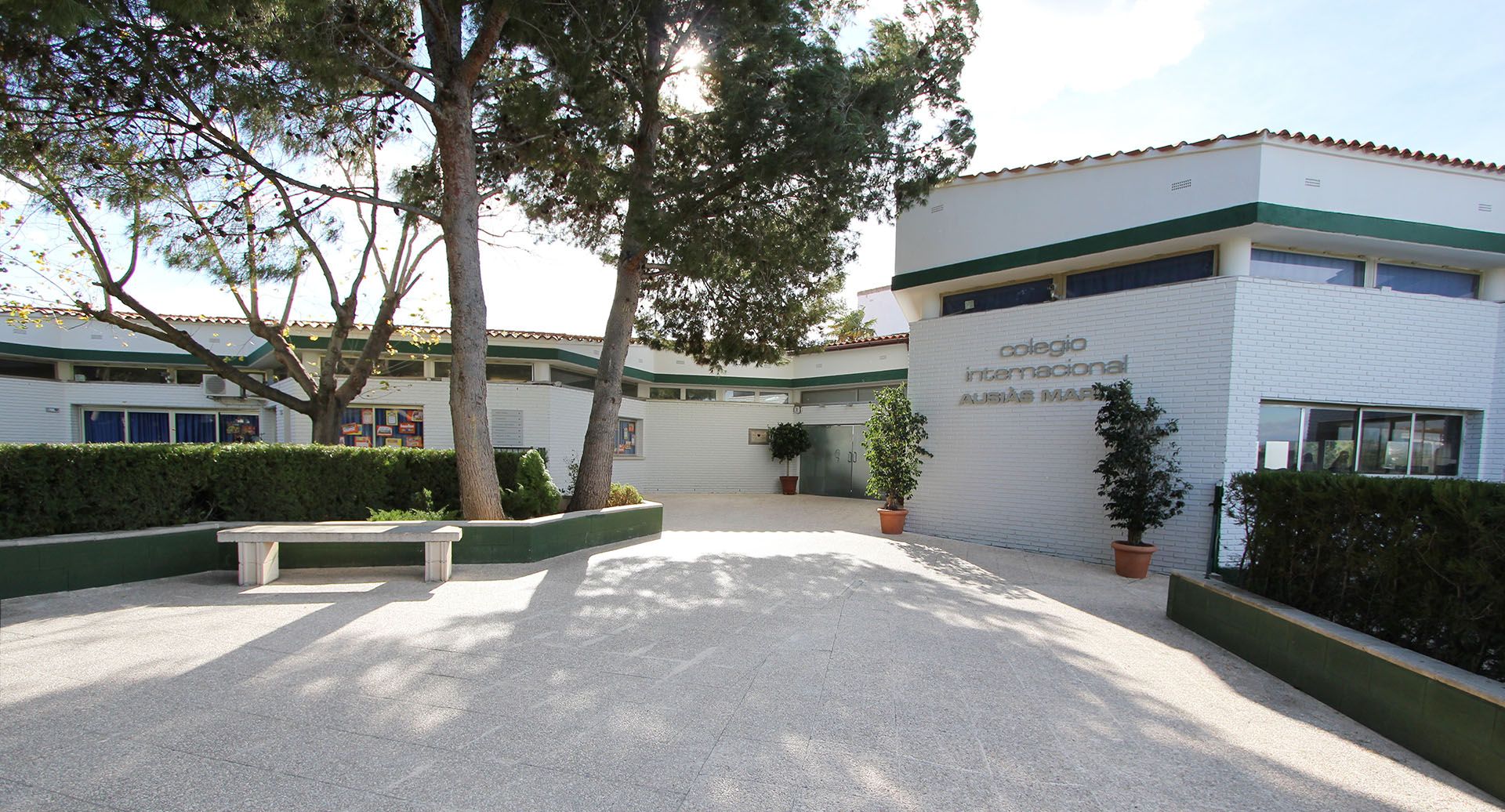
Solicita una visita para conocer nuestras instalaciones y nuestro Proyecto Educativo de la mano de nuestro personal docente.
PROYECTOS DIFERENCIALES


ÚLTIMAS NOTICIAS
NEWSLETTERS
Excelentes resultados en Bachillerato Internacional 2019
Nos complace felicitar a nuestros alumnos y alumnas de Programa del Diploma de IB por sus resultados. Nuestra primera promoción ha logrado una media de 30 puntos totales y una media de 4,75 en las asignaturas, equivalente a un 7,7 en el sistema español. https://www.ausiasmarch.com/wp-content/uploads/2019/07/RESULTADOS-BACHILLERATO-INTERNACIONAL-2019.pdf

Concurso de relatos cortos Elena del Val
Un año más, hemos convocado el Concurso de relatos cortos Elena del Val, con el objetivo de fomentar la creatividad y la imaginación de nuestros alumnos, con amplia participación de toda la comunidad educativa. Pincha aquí para poder leer los textos de finalistas y ganadores, enhorabuena a todos ellos!

EL Colegio Internacional Ausiàs March comparte su contenido sobre los avances, proyectos y dirección hacia donde van los nuevos modelos educativos y metodologías en la enseñanza.
TE INVITAMOS A UNIRTE A NOSOTROS
Garantizamos Contenido Exclusivo
CURSOS DE INMERSIÓN
Una amplia oferta de actividades y estancias en países extranjeros.
VISITA EL CENTRO
Solicita una visita para conocer nuestras instalaciones.
PROYECTOS
DIFERENCIALES
ÚLTIMAS
NOTICIAS
Somos Colegio del Mundo IB (PAI)
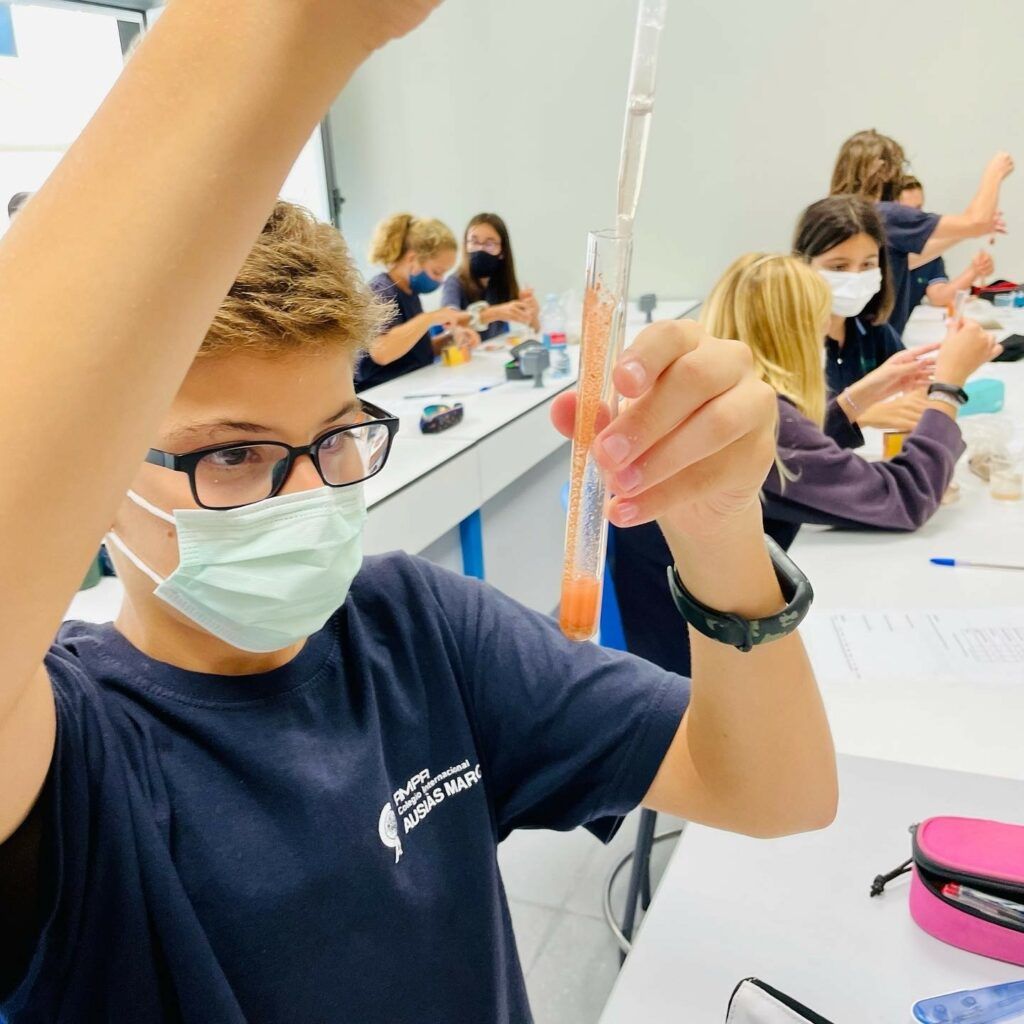
Un colegio es un ente vivo en constante cambio, crecimiento, evolución y desarrollo. Las aulas de cualquier etapa crecen y cambian cada día vivido en ellas. Colegio Internacional Ausiàs March se ha caracterizado siempre por su apuesta decidida hacia la innovación educativa. Con objeto de cumplir su misión de evolucionar hacia una sociedad indudablemente […]
Aprendemos inglés con Fun Phonics
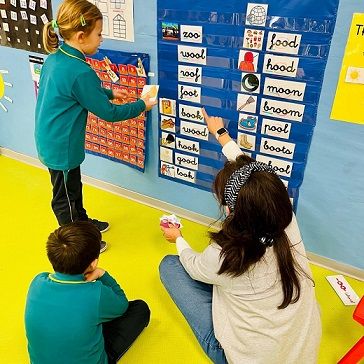
Para poder desarrollar nuestro trabajo de la manera más profesional posible, siempre ha sido nuestro referente la forma de trabajar y de aprender la lectoescritura en los países de habla inglesa. En algunos de estos, como EEUU, UK o Australia, los niños aprenden a discriminar los sonidos de los fonemas de la lengua inglesa desde […]
NEWSLETTERS
EL Colegio Internacional Ausiàs March comparte su contenido sobre los avances, proyectos y dirección hacia donde van los nuevos modelos educativos y metodologías en la enseñanza.
TE INVITAMOS A UNIRTE A NOSOTROS
Garantizamos Contenido Exclusivo